What is Cheque? Definition, Characteristics, Types, Parties
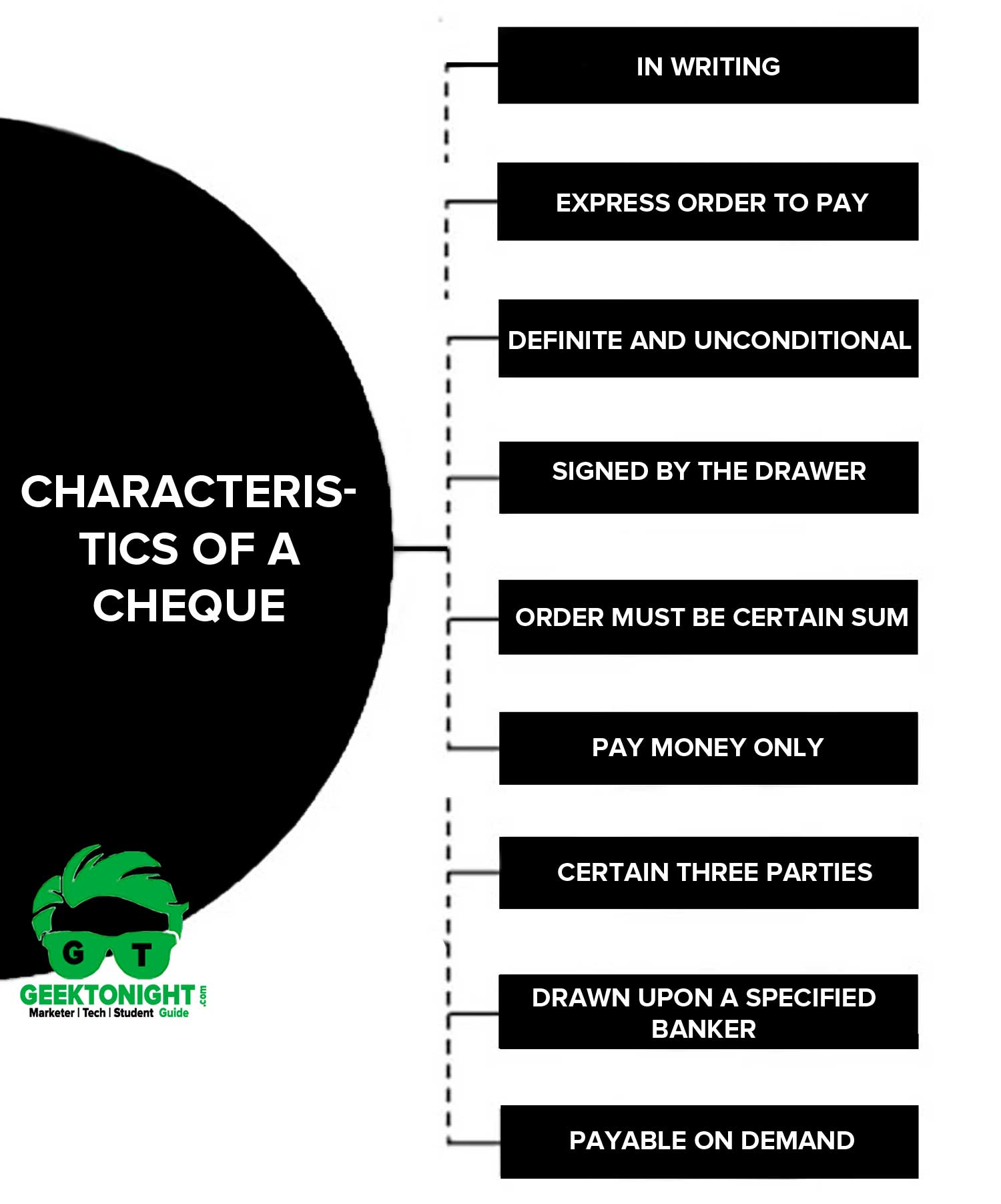
Characteristics of a Cheque
A cheque is a bill of exchange, drawn on a specified banker and it includes ‘the electronic image of truncated cheque’ and ‘a cheque in electronic form’.

Business Law
A cheque is a bill of exchange, drawn on a specified banker and it includes ‘the electronic image of truncated cheque’ and ‘a cheque in electronic form’.
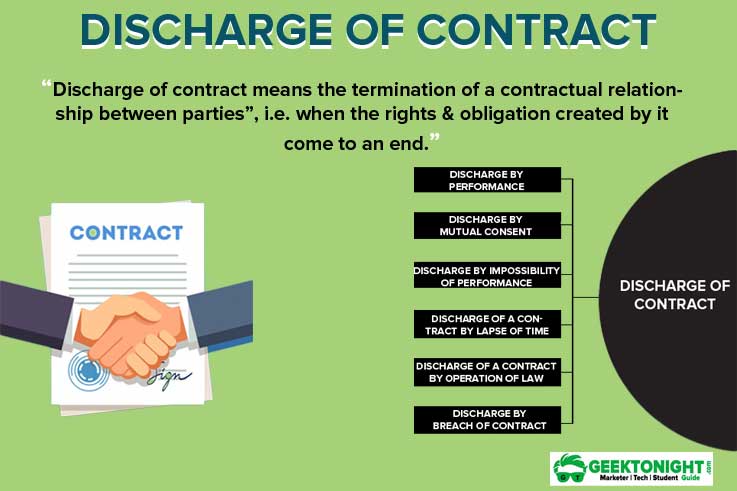
Discharge of contract means the termination of a contractual relationship between parties. A contract is said to be discharged when it ceases to operate.
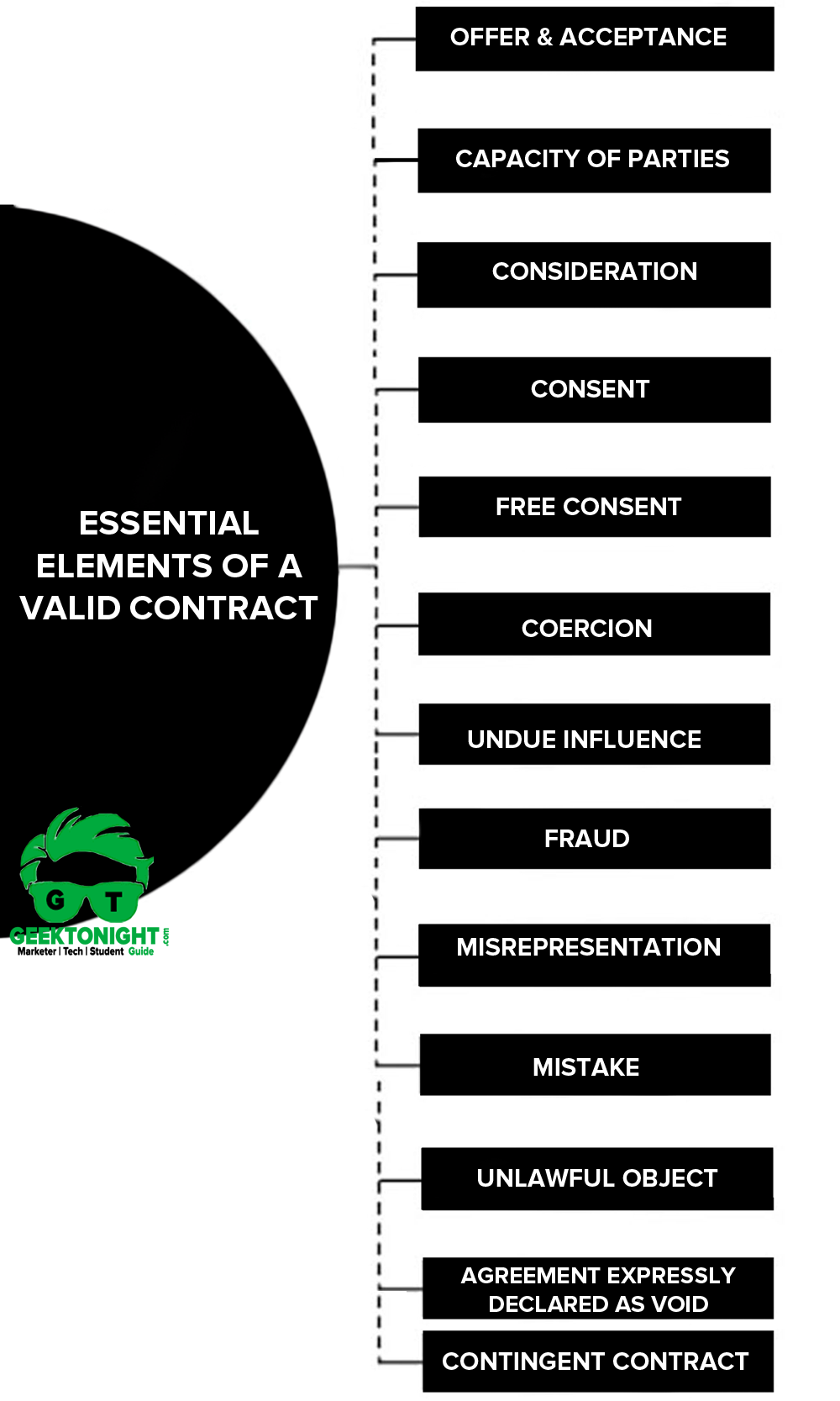
Essential Elements of a Valid Contract: Offer & Acceptance, Capacity, Consideration, Consent, Free Consent, Coercion, Undue Influence, Fraud Misrepresentation, Mistake, Unlawful Object, Contingent, Declared as Void.
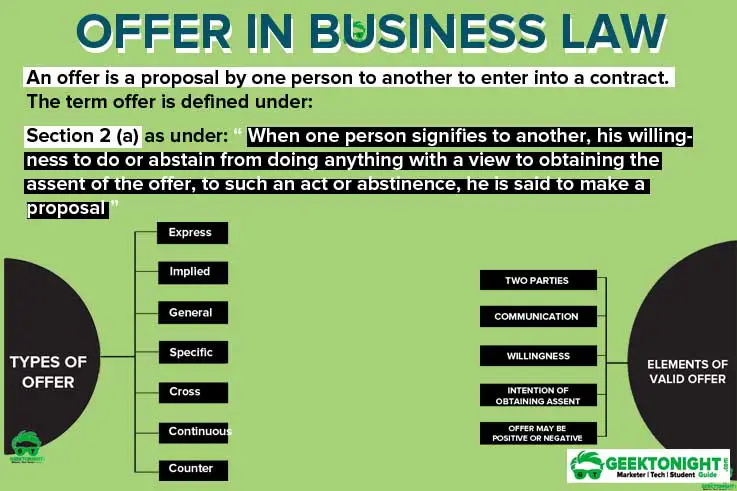
When one person signifies to another, his willingness to do or abstain from doing anything with a view to obtaining the assent of the offer, to such an act or abstinence, he is said to make a proposal.
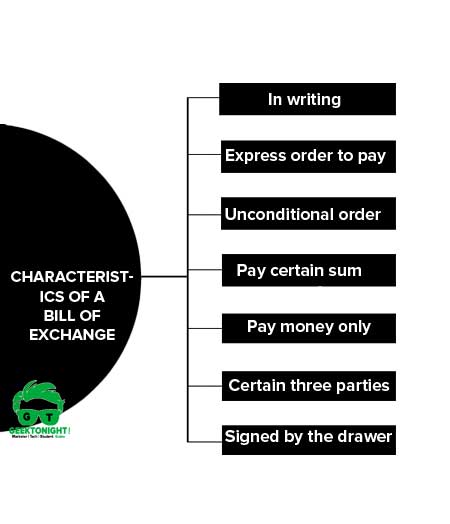
A bill of exchange is defined as an instrument in writing containing an unconditional order, signed by the maker, directing a certain person to pay a certain sum of money only.
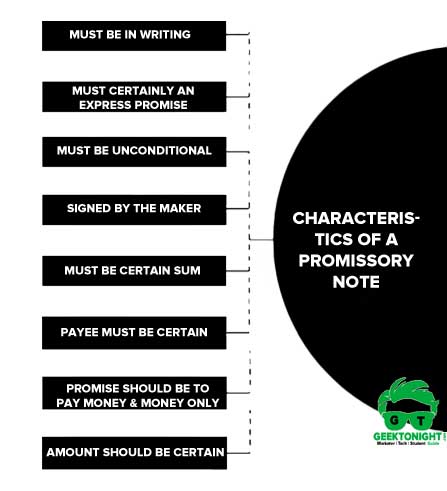
A promissory note is an instrument in writing containing an unconditional undertaking, signed by the maker, to pay a certain sum of money to or to the order of a certain person, or to the bearer of the instruments.
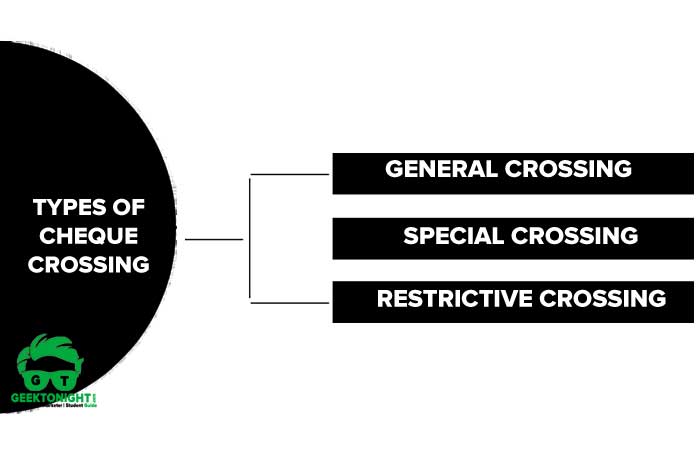
The crossing of Cheque means that the specific cheque can only be deposited straightway into a bank account and cannot be instantly cashed by a bank.
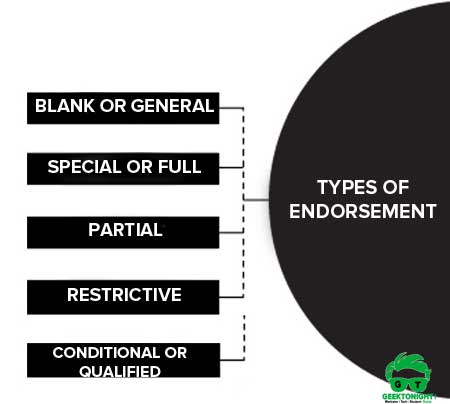
Types of Endorsements: 1. Blank or General, 2. Special or Full, 3. Partial, 4. Restrictive, 5. Conditional or Qualified
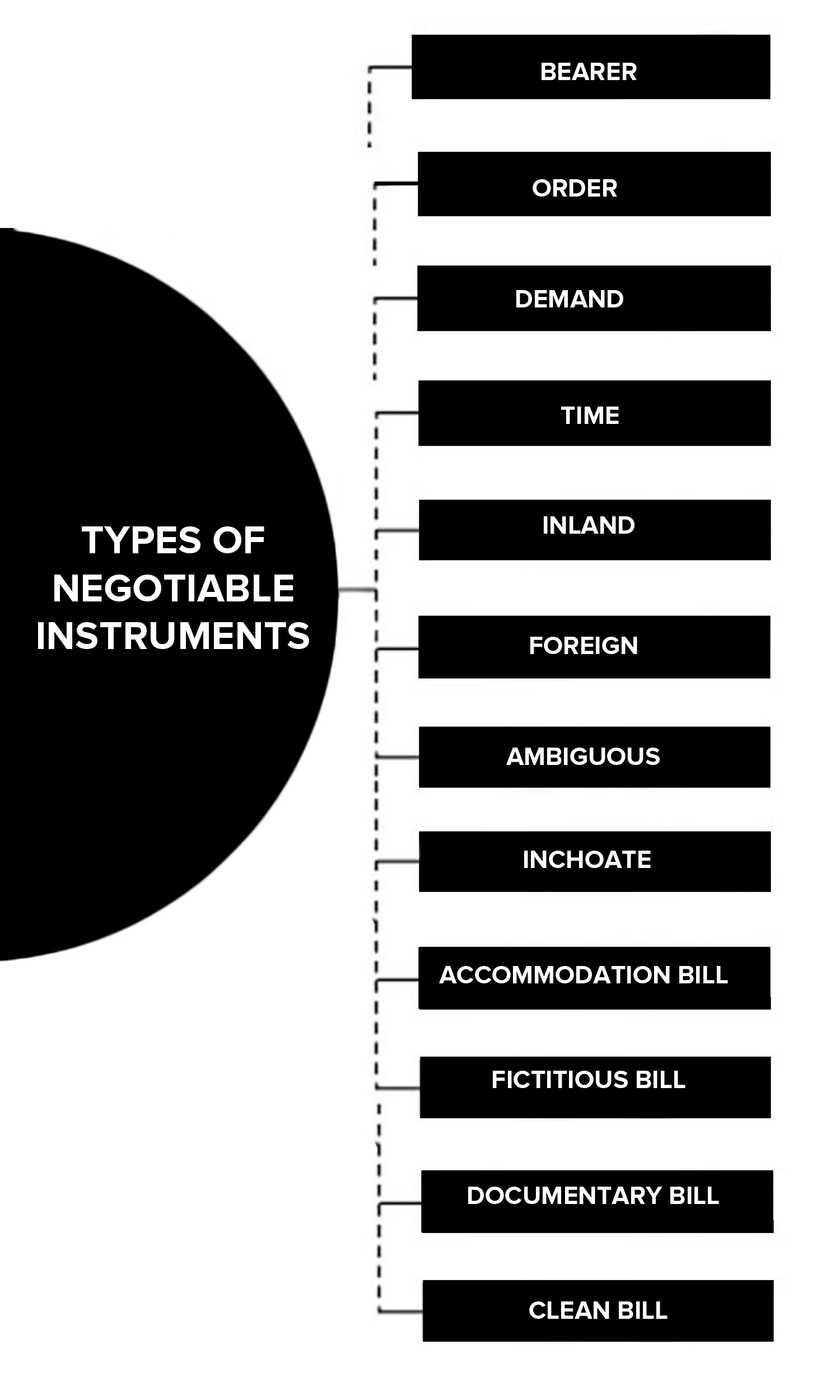
12 Types of Negotiable Instruments: Bearer, Order, Demand, Time, Inland, Foreign, Ambiguous,. Inchoate, Accommodation, Fictitious, Documentary, Clean bill
Negotiable Instrument means a promissory note, bill of exchange or cheque, payable either to order or to the bearer. In business transactions, a clear knowledge of all these are required.